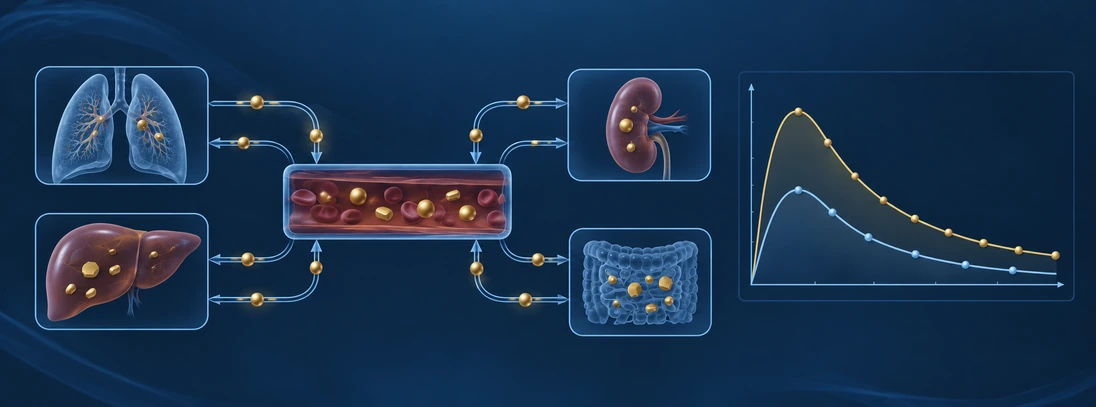
Mechanistic Biological Modeling for Next-Generation Risk Assessment
Translate environmental exposure into internal and target-tissue dose using PBPK/PBTK, IVIVE/QIVIVE, and human-relevant risk assessment.
Learn moreMECHANISTIC & AI-ENABLED TOXICOLOGY
We integrate mechanistic modeling, quantitative toxicology, and artificial intelligence to connect environmental exposure with internal dose, biological interactions, and health-relevant outcomes.
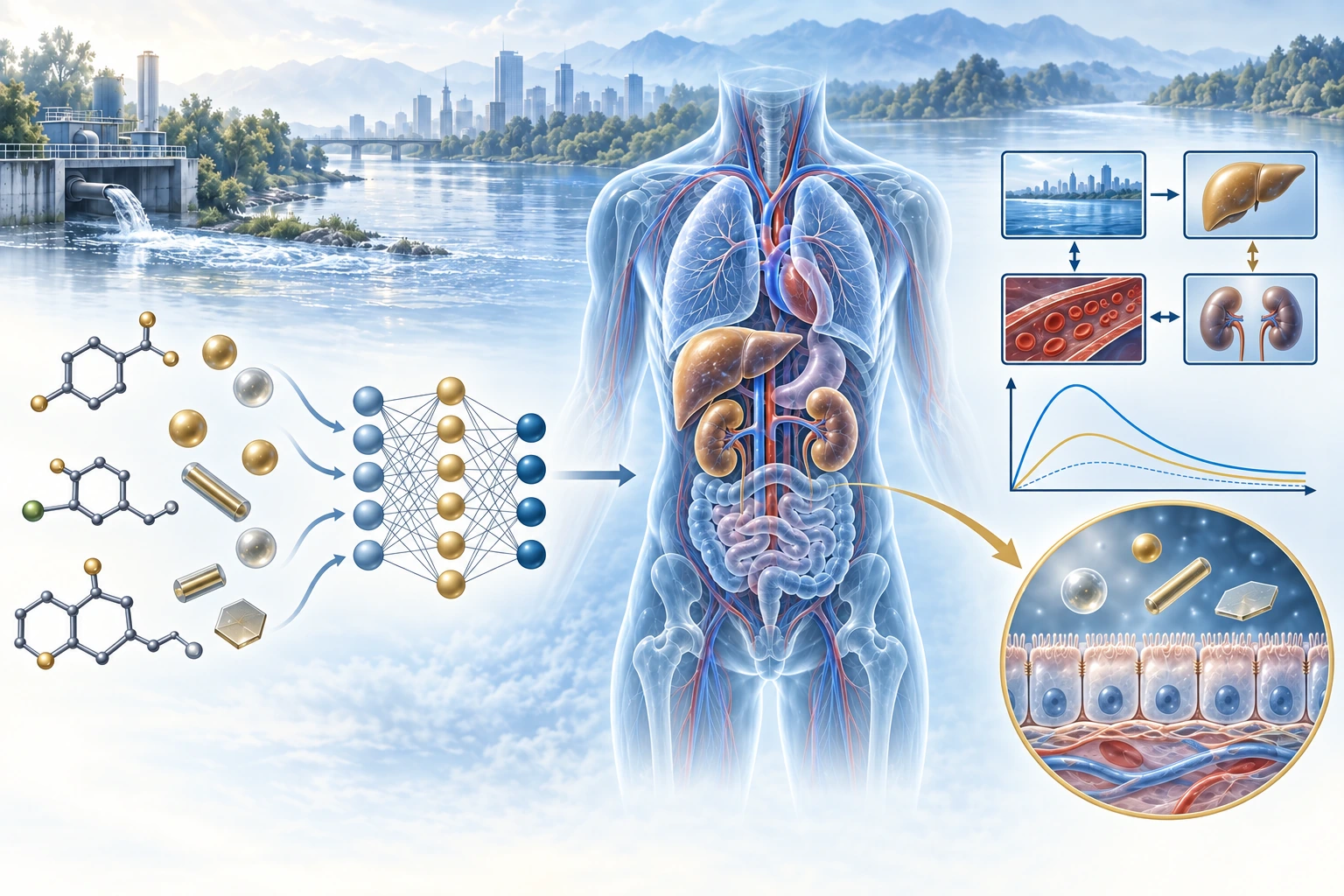
We develop mechanistic and AI-enabled approaches to connect environmental exposure and therapeutic delivery with internal dose, biological interactions, and health-relevant outcomes.
Translate environmental exposure into internal and target-tissue dose using PBPK/PBTK, IVIVE/QIVIVE, and human-relevant risk assessment.
Learn more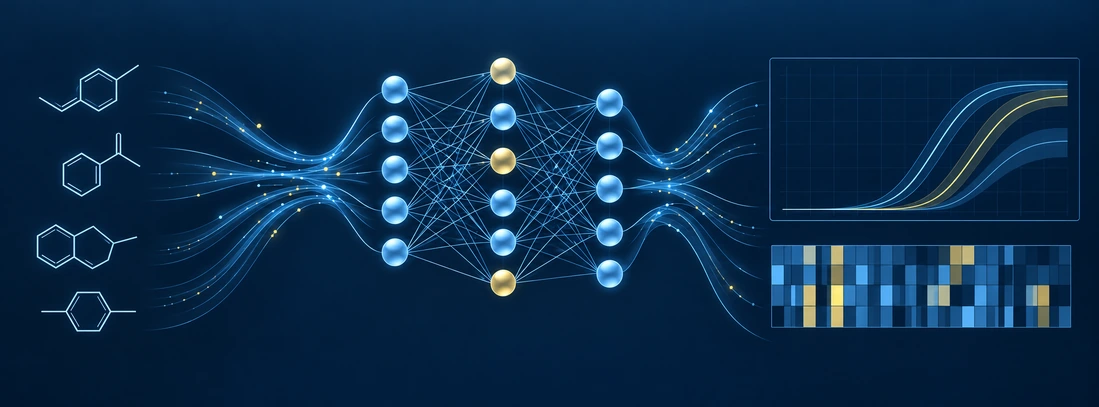
Integrate machine learning with mechanistic and experimental evidence to predict toxicokinetics, toxicity, and chemical behavior when data are sparse.
Learn more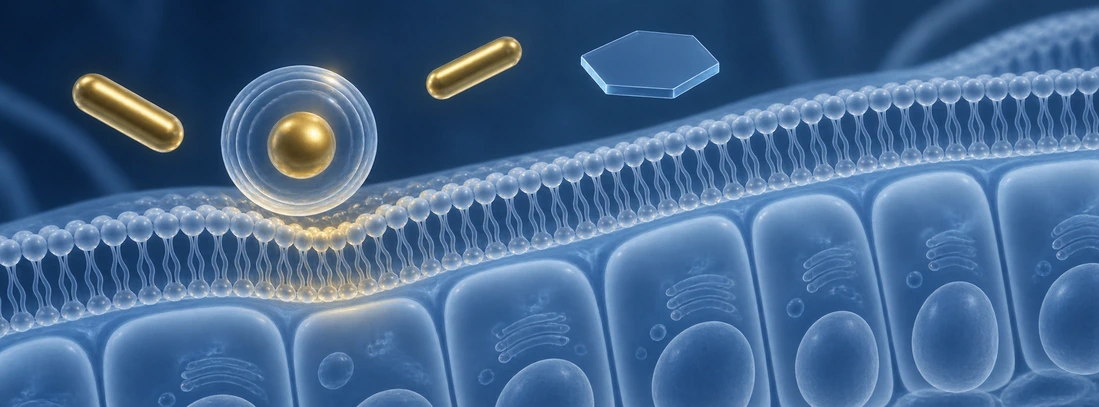
Determine how biological identity and nano-bio interactions control nanoparticle fate, tissue distribution, therapeutic delivery, and off-target exposure.
Learn more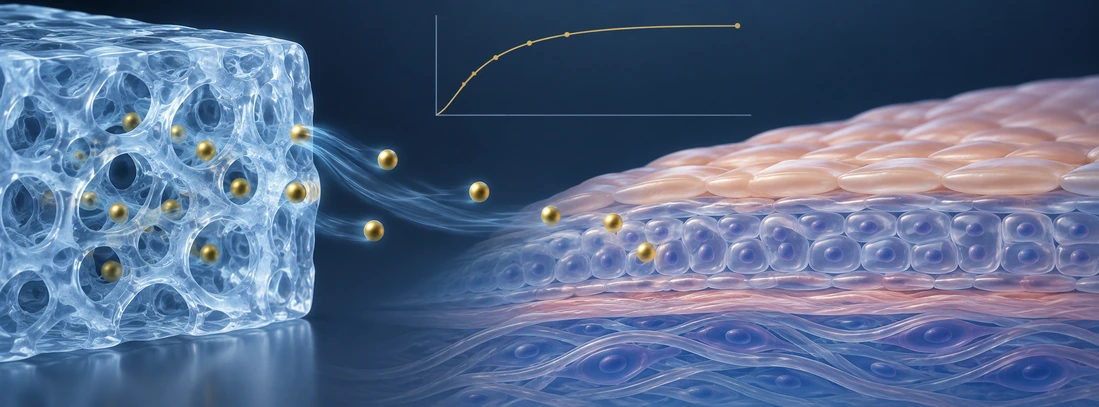
Determine how material properties, release kinetics, and administration strategies shape target-tissue exposure and biological response.
Learn more